
Overcoming Common Solar Pump Problems in Commercial Installations
When deploying off-grid water pumping systems in remote agricultural, municipal, or industrial projects, system downtime is not just a minor inconvenience—it is a critical failure that directly impacts crop yields, livestock health, and water supply reliability. As an EPC contractor, system integrator, or wholesale distributor, you know that addressing solar pump problems quickly is essential for maintaining client trust, protecting your profit margins, and reducing costly return visits to remote sites. While solar-driven water systems are highly efficient and sustainable, they are uniquely susceptible to environmental fluctuations and electrical variables that can unexpectedly halt operations. Whether it is a low light solar pump failing to start during early morning hours due to insufficient irradiance, or sudden voltage spikes from a rapidly changing cloud cover damaging the drive, effective solar pump troubleshooting requires a deep understanding of both the photovoltaic array dynamics and the inverter’s internal logic.
In this comprehensive technical guide, we break down the top 7 operational issues encountered in the field, specifically focusing on advanced Variable Frequency Drive (VFD) setups. By mastering these diagnostic steps and prevention strategies, international buyers and distributors can minimize maintenance overhead, optimize system design, and ensure maximum uptime for their end-users. Let us dive into the technical solutions that keep water flowing reliably, regardless of environmental challenges.
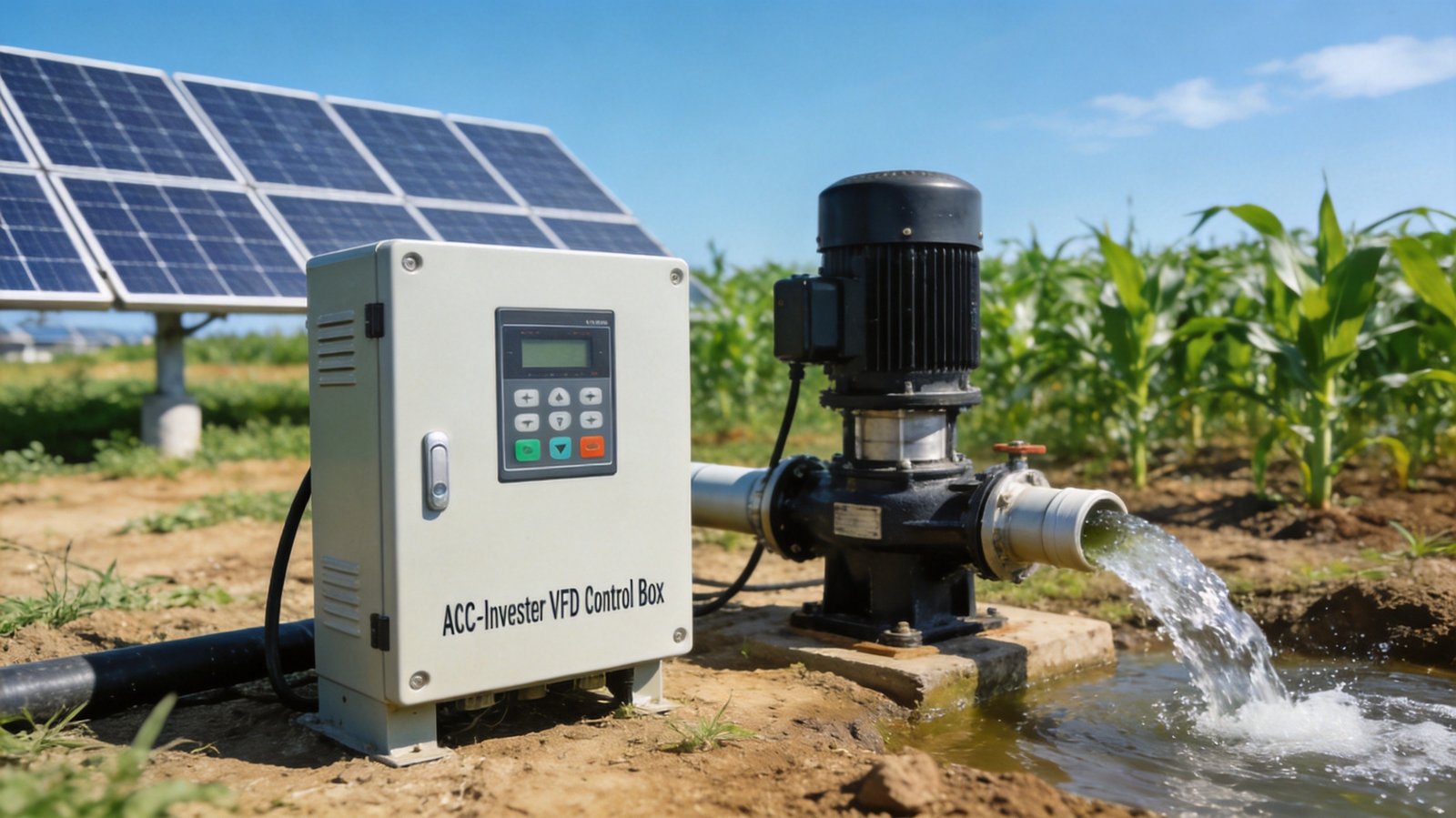
Top 7 Solar Pump System Problems and Step-by-Step Fixes
Diagnosing and resolving issues in solar water pumping requires a systematic approach. Below are the 7 most common faults, along with detailed, step-by-step troubleshooting procedures tailored for high-performance installations using Lakinele drives.
1. Dry Run Protection Trigger (Solar Pump Dry Run)
Running a submersible or surface pump without adequate water causes catastrophic mechanical failure due to friction and overheating. Modern drives like the Lakinele PV-T4 Series utilize advanced sensorless dry-run protection by continuously monitoring motor current, voltage, and slip. If the pump runs dry, the hydraulic load drops significantly, and the VFD detects this anomaly. Fix: Check the dry-run detection threshold in the VFD’s parameter menu (typically F-xx group). Ensure the physical water level is adequate before performing a manual reset. If the fault triggers frequently, verify that the pump’s intake is not partially blocked by sediment, which can mimic a dry-run condition.
2. Low Irradiance Insufficient Start
A common low light solar pump issue occurs when the PV array voltage has not yet reached the VFD’s minimum wake-up threshold during early mornings or late afternoons. Fix: Verify the PV open-circuit voltage (Voc) matches the VFD’s MPPT voltage range. The N/T Series (when used in hybrid setups) and dedicated solar drives feature a wide MPPT voltage range, allowing starts even at 20-30% irradiance. Clean the panels, check for partial shading from nearby structures or trees, and ensure the string configuration provides adequate series voltage.
3. Reverse Rotation
Reverse rotation causes negative flow, severe vibration, and potential pipe damage. This typically happens after initial installation or motor maintenance. Fix: Swap any two of the three motor output phases (U, V, W) at the VFD output terminals. For single-phase to three-phase conversions using the S3 Series, ensure the output phase sequence is correctly mapped in the motor parameters. Always perform a brief bump test before full pressurization.
4. PV Overvoltage Fault
This fault occurs when the PV array’s Voc exceeds the VFD’s maximum DC bus limit, which frequently happens on cold, clear mornings when panel voltage spikes. Fix: Recalculate your string sizing. Ensure the lowest expected historical temperature for your installation site does not push the Voc beyond the inverter’s absolute maximum limit (e.g., 800V or 1000V). Never exceed the manufacturer’s maximum PV input voltage specification.
5. Water Level Sensor Failure
Physical float switches or electrode sensors often fail due to corrosion, mineral buildup, or wiring breaks in harsh environments. Fix: Bypass the sensor temporarily using the VFD’s digital input terminals to isolate the fault. If the drive runs normally in bypass mode, replace the physical sensor with industrial-grade stainless steel level probes. Alternatively, rely on the drive’s built-in sensorless dry-run protection to eliminate external sensors entirely.
6. Pipe Blockage and High Head Pressure
Debris in the borehole or a closed valve causes the motor to stall, triggering an overcurrent or overload fault. Fix: The PV-T2 Series includes automatic stall recovery and dynamic torque limiting to handle transient blockages. Clear the physical blockage, install a foot valve with a protective screen, and adjust the VFD’s current limit to prevent nuisance tripping while still protecting the motor.
7. Inverter Overheating
High ambient temperatures in poorly ventilated outdoor enclosures cause thermal derating, reducing the pump’s output flow. Fix: Ensure the IP65 enclosure has adequate passive ventilation or active cooling fans. Check the VFD’s internal cooling fan for dust buildup. The S2 Series is designed with enhanced heat dissipation for harsh environments, but external airflow and proper enclosure sizing are still critical for continuous peak performance.
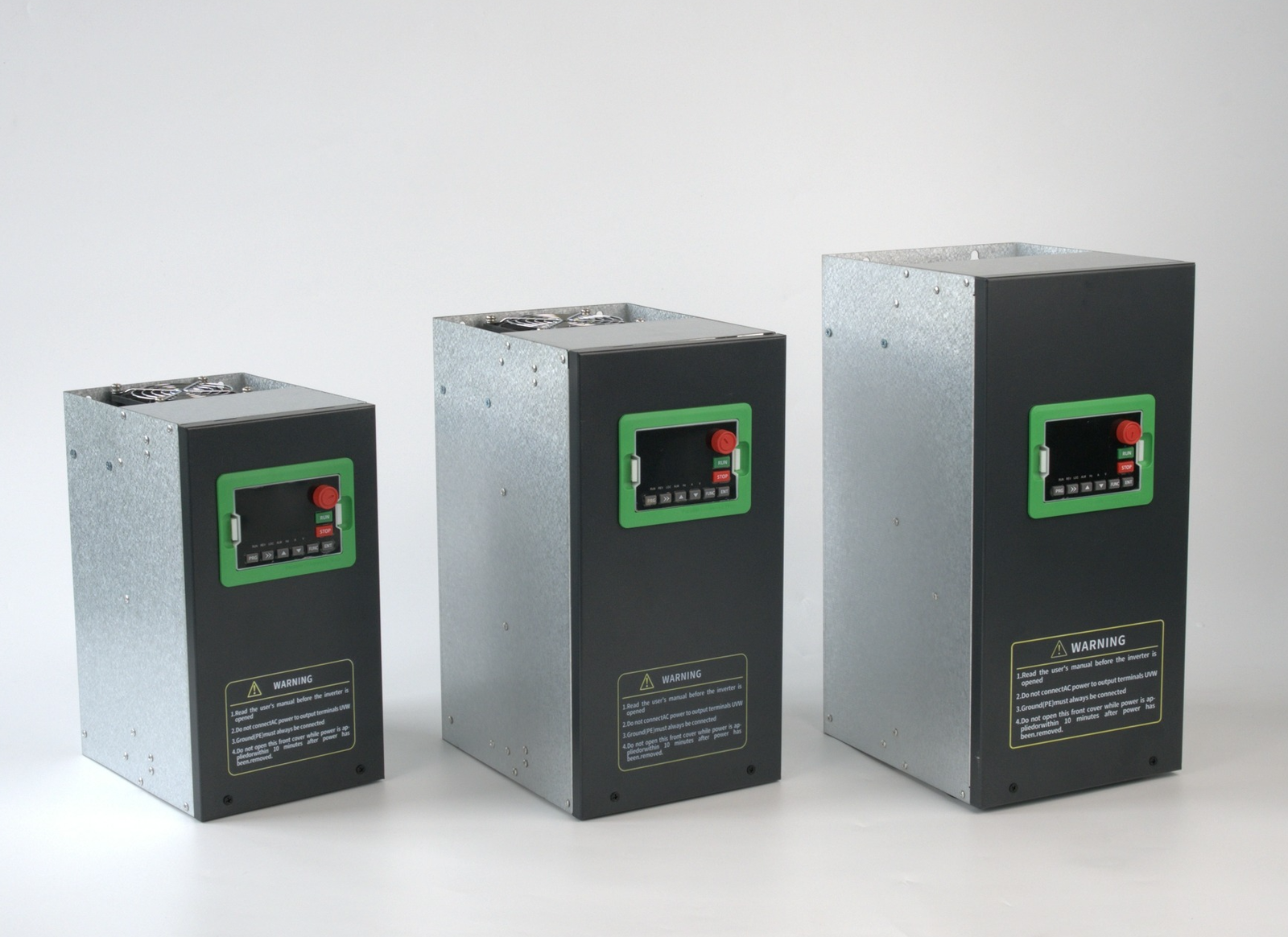
Technical Comparison: Lakinele Solar Pump VFD Series
Choosing the right inverter is critical for avoiding the problems outlined above. Below is a technical comparison of Lakinele’s drive series to help you select the optimal solution for your specific solar pumping application.
| Technical Parameter | PV-T2 Series | PV-T4 Series | N/T Series | S2 / S3 Series |
|---|---|---|---|---|
| Input Voltage Range | DC 200V – 500V | DC 500V – 800V | AC 380V (3-Phase Grid) | AC 220V (1-Phase to 3-Phase) |
| Max Motor Power | 15 kW | 400 kW | 630 kW | 22 kW |
| MPPT Tracking Efficiency | ≥ 99.5% | ≥ 99.8% | N/A (Grid Tied) | N/A (Grid Tied) |
| Sensorless Dry Run Protection | Standard | Standard | Optional (via I/O) | Optional (via I/O) |
| Enclosure Protection | IP65 (Outdoor) | IP20 / IP54 | IP20 | IP20 |
| Low Light Start Threshold | 30% Irradiance | 20% Irradiance | N/A | N/A |
Real-World B2B Application Scenarios
Understanding how these drives perform in the field helps distributors and EPC contractors specify the right equipment for their clients.
- Large-Scale Agricultural Irrigation: EPC contractors deploying Lakinele VFD solutions for 50-hectare drip irrigation systems rely on the PV-T4 Series to handle high-power submersible pumps. The advanced sensorless dry-run protection prevents catastrophic damage when water tables drop unexpectedly during peak summer months, ensuring continuous crop hydration.
- Remote Livestock Watering: Distributors supplying off-grid cattle and sheep farms utilize the PV-T2 Series for its robust, IP65-rated design. It operates flawlessly in dusty, high-temperature environments, providing reliable water access to remote troughs without the exorbitant costs of grid extension.
- Municipal Drinking Water Supply: Importers equipping rural villages with centralized water towers integrate the N/T Series for grid-hybrid backup alongside solar PV drives. This ensures 24/7 water pressure stability, seamlessly switching between solar and grid power to maintain municipal water tower levels.
Frequently Asked Questions
What is the minimum PV array size required for the Lakinele solar pump drives?
The PV array should be sized at 1.1 to 1.2 times the motor’s rated power to account for system losses, temperature derating, and ensure reliable starting. For example, a 5.5 kW motor typically requires a 6.6 kW solar array. Always verify the array’s open-circuit voltage (Voc) falls within the VFD’s specified MPPT range to prevent overvoltage faults during cold weather.
Can the solar pump VFDs operate without a physical water level sensor?
Yes, the PV-T2 and PV-T4 Series feature advanced sensorless dry-run protection. The drive monitors the motor’s electrical characteristics, such as current and slip, to detect when the pump is running without water. If a dry-run condition is detected, the VFD will automatically shut down the motor to prevent mechanical damage, eliminating the need for fragile physical float switches in deep boreholes.
How do I resolve a “Low Light” or insufficient start fault during early mornings?
A low light solar pump start failure usually indicates that the PV array voltage has not reached the VFD’s wake-up threshold. Check for partial shading, clean the panels, and ensure the string configuration provides adequate series voltage. You can also adjust the VFD’s minimum start voltage parameter to optimize performance under low irradiance conditions.
Are these VFDs compatible with single-phase motors?
Lakinele solar pump inverters are specifically designed for three-phase AC induction motors or permanent magnet synchronous motors (PMSM). If you have a single-phase motor, you must replace it with a three-phase motor. For sites with only single-phase grid or generator backup, you can use our S2 Series or S3 Series to convert single-phase input to three-phase output.
What is the warranty and after-sales support for wholesale distributors?
Lakinele