
What is VFD and How Does It Work? Complete Guide 2026
In today’s highly competitive industrial landscape, facility managers, EPC contractors, and wholesale distributors face a persistent challenge: balancing operational efficiency with escalating energy costs and equipment maintenance. Traditional motor control methods, such as direct-on-line (DOL) starting or star-delta configurations, subject mechanical systems to severe inrush currents and physical stress. This not only drives up peak energy demand charges but also accelerates the wear and tear on belts, gears, and bearings, leading to costly unplanned downtime. For international buyers sourcing automation components, finding a reliable, high-performance solution is critical to maintaining a competitive edge and ensuring long-term profitability.
This is where a Variable Frequency Drive (VFD) becomes an indispensable asset. By providing precise control over motor speed and torque, a VFD transforms rigid, fixed-speed operations into dynamic, highly efficient processes. Whether you are upgrading an existing manufacturing line or designing a new water treatment facility, understanding how VFD works is the first step toward optimizing your capital expenditure. This comprehensive VFD guide 2026 is designed specifically for B2B buyers, distributors, and engineering professionals who need to make informed procurement decisions. We will break down the core technology, compare leading models, and explore real-world applications to help you select the perfect VFD for your specific industrial requirements.
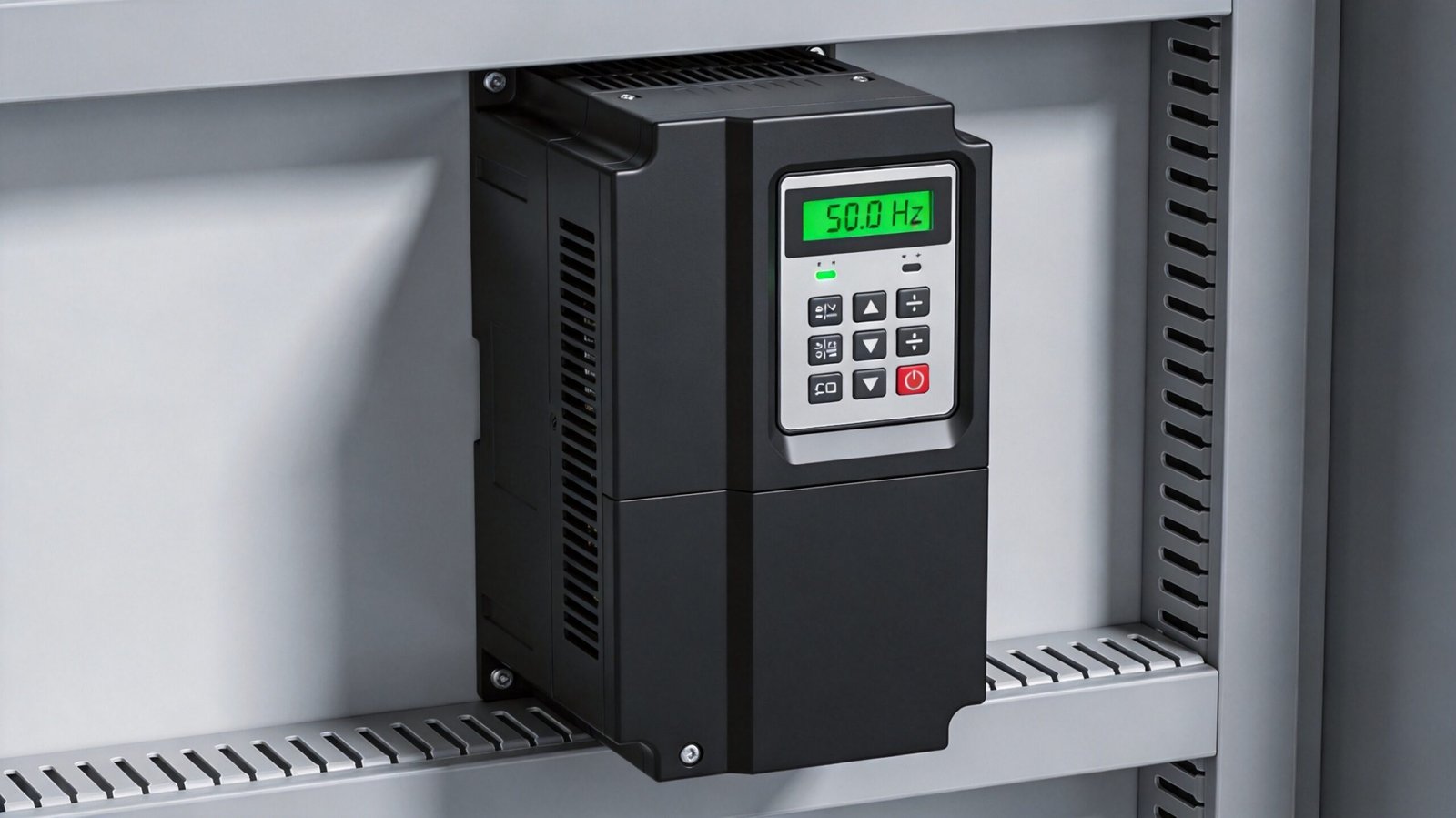
Understanding How VFD Works: The Core Technology
At its core, a variable frequency drive is an advanced electronic device that controls the rotational speed of an alternating current (AC) electric motor by varying the frequency and voltage of the power supplied to it. To truly understand how VFD works, it is essential to look at its three primary internal stages: the rectifier, the DC bus, and the inverter. This conversion process is what allows for seamless, stepless speed control, making it vastly superior to mechanical throttling or bypass valves.
The first stage is the Rectifier. The incoming AC power from the main grid is fed into a diode bridge converter, which transforms the alternating current into direct current (DC). This creates a raw, unfiltered DC voltage that pulsates in sync with the input AC frequency. For heavy-duty industrial applications requiring robust power handling, models like the N/T Series Three-Phase 380V Inverter are engineered with high-capacity rectifier bridges to manage substantial electrical loads efficiently without overheating.
The second stage is the DC Bus (or DC Link). The raw DC voltage from the rectifier is passed through a series of capacitors and inductors. These components act as a filter, smoothing out the voltage ripples to create a stable, pure DC power supply. This stable DC bus is critical because any fluctuation here would directly translate to torque ripple and mechanical vibration in the motor. High-quality capacitors ensure the drive can handle transient voltage spikes and provide the necessary energy storage for rapid acceleration demands.
The final and most complex stage is the Inverter. This section utilizes Insulated Gate Bipolar Transistors (IGBTs) to switch the smoothed DC power back into AC power. However, unlike the fixed 50Hz or 60Hz grid power, the inverter uses a technique called Pulse Width Modulation (PWM). By rapidly turning the IGBTs on and off at varying intervals, the drive synthesizes an AC waveform with an adjustable frequency and voltage. The width of these pulses determines the effective voltage, while the frequency of the pulses dictates the motor’s speed. This precise PWM control allows the motor to operate at exactly the speed required by the load, eliminating energy waste.
For facilities operating in regions with single-phase power infrastructure but requiring three-phase motor performance, phase-conversion technology is vital. The S2 Series Single-to-Three-Phase 220V Inverter is specifically designed to accept single-phase 220V input and output a perfectly balanced three-phase 220V signal. This flexibility is a massive advantage for distributors and importers catering to diverse global markets with varying electrical standards. By mastering the underlying technology of these drives, B2B buyers can confidently specify the right equipment for any electrical environment, ensuring maximum uptime and energy savings.
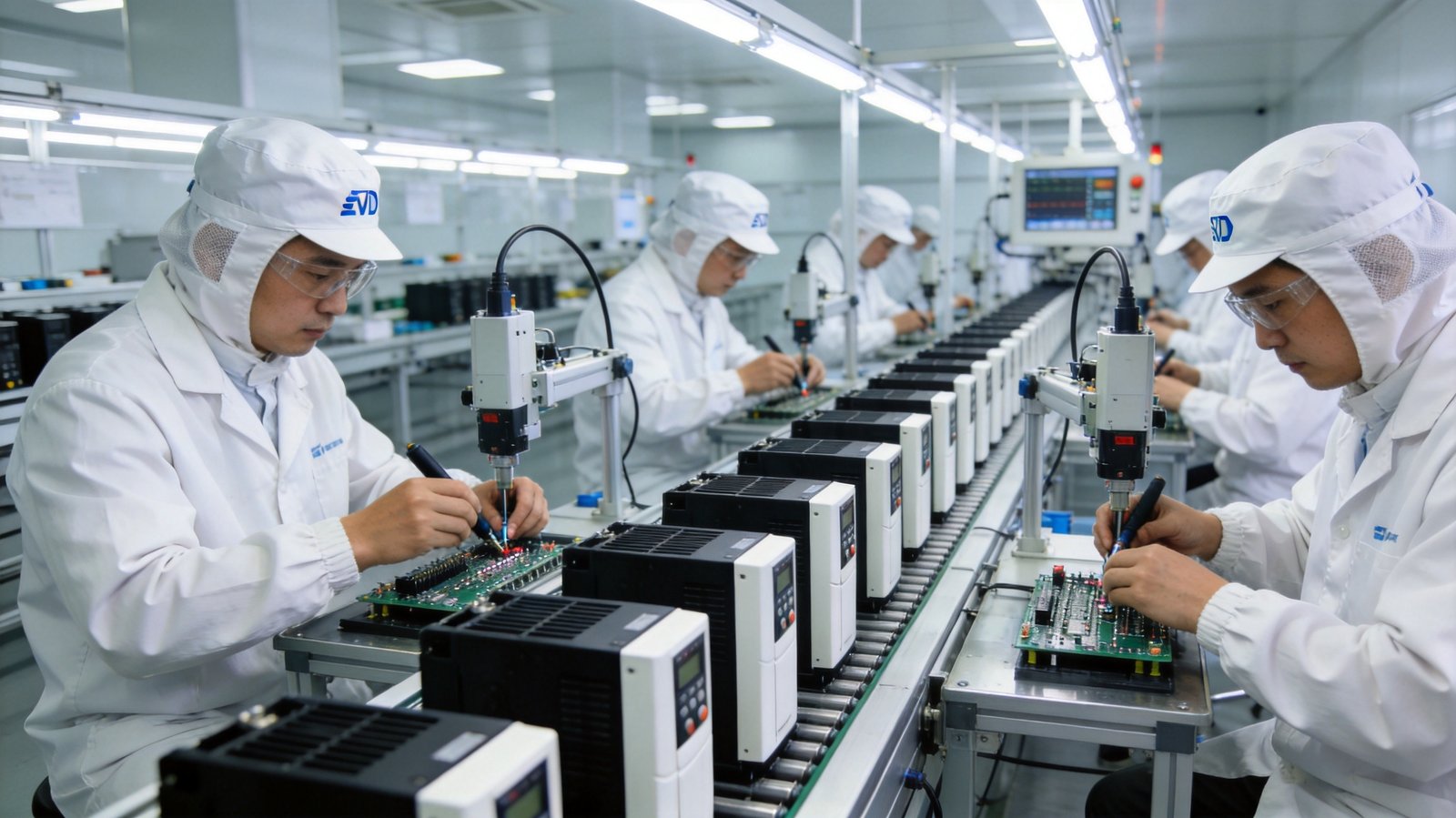
Lakinele VFD Series Technical Comparison
When sourcing variable frequency drives for wholesale distribution or large-scale EPC projects, comparing technical specifications is crucial for matching the right product to the application. The following table provides a detailed breakdown of Lakinele’s core VFD series, highlighting the specific electrical parameters and operational capabilities that differentiate each model.
| Product Series | Input Voltage | Output Voltage | Power Range | Control Mode | Key Application Focus |
|---|---|---|---|---|---|
| N/T Series | 3-Phase 380V | 3-Phase 380V | 0.75kW – 400kW | V/f Control, Vector Control | Heavy industry, CNC machines, large conveyors |
| S2 Series | Single-Phase 220V | 3-Phase 220V | 0.4kW – 2.2kW | V/f Control | Light commercial, single-phase to 3-phase motor conversion |
| S3 Series | Single-Phase 380V | 3-Phase 380V | 0.75kW – 3.7kW | V/f Control | Industrial machinery requiring 380V 3-phase output from single-phase input |
| H2 Series | Single-Phase 220V | Single-Phase 220V | 0.2kW – 2.2kW | V/f Control | Packaging equipment, small fans, light-duty automation |
Real-World B2B Application Scenarios
Understanding the theoretical operation of a drive is only half the equation; knowing how it translates to real-world efficiency is what drives B2B purchasing decisions. Variable frequency drives are deployed across countless industries to solve specific operational bottlenecks. Here are three primary scenarios where integrating a VFD delivers immediate, measurable ROI for end-users.
- HVAC and Pumping Systems: In commercial buildings and municipal water treatment plants, fans and centrifugal pumps traditionally operate at full speed, with flow restricted by dampers or valves. By installing a VFD, the motor speed is reduced to match the exact demand. According to the affinity laws, reducing a pump’s speed by just 20% can result in nearly a 50% reduction in energy consumption, drastically lowering operational expenditures (OPEX) for facility managers.
- Conveyor and Material Handling: In manufacturing and logistics, synchronized conveyor belts require precise speed matching to prevent material spillage and mechanical jamming. A VFD allows for soft starting and stopping, which eliminates the mechanical shock associated with DOL starters. This extends the lifespan of the belts and gearboxes while allowing operators to dynamically adjust line speeds based on upstream production rates.
- Machine Tool and CNC Automation: Precision manufacturing requires exact control over spindle speeds and feed rates. High-performance VFDs provide the high-torque output at low speeds necessary for heavy cutting operations, while maintaining strict speed regulation during high-speed finishing passes. This ensures superior surface finishes, reduces tool wear, and increases overall throughput for machining centers.
Frequently Asked Questions
How do I determine the correct VFD size for my motor?
To properly size a variable frequency drive, you must match the drive’s continuous current output rating to the motor’s full load amps (FLA), rather than just relying on the horsepower or kilowatt rating. It is also highly recommended to oversize the drive by at least 10% to 20% if the application involves heavy starting torques, high inertia loads, or frequent acceleration and deceleration cycles.
Can a single-phase input VFD run a standard three-phase motor?
Yes, a single-phase input VFD can run a standard three-phase motor, provided the drive is specifically designed to accept single-phase power and output three-phase voltage. However, because single-phase input draws higher current from the grid, you typically need to derate the motor or select a VFD with a higher power rating to handle the increased input current safely.
What is the typical lifespan of a variable frequency drive?
A high-quality industrial VFD typically has an operational lifespan of 10 to 20 years, depending heavily on the operating environment and maintenance practices. The lifespan is primarily determined by the degradation of internal electrolytic capacitors and cooling fans, which can be significantly extended by keeping the enclosure clean, cool, and free from conductive dust.
Do Lakinele VFDs support international communication protocols?
Yes, Lakinele drives are engineered for global integration and support standard industrial communication protocols such as Modbus RTU (RS485). This allows seamless integration into existing PLC and SCADA systems, enabling remote monitoring, centralized control, and real-time data collection for predictive maintenance across your entire facility.
How do I integrate a VFD into an existing PLC system?
Integrating a VFD into a PLC system can be achieved using discrete I/O wiring for basic start/stop and speed reference commands, or via serial communication like Modbus for advanced control. When using serial communication, you simply connect the RS485 wires, configure the matching baud rate and slave address on both the drive and the PLC, and map the control registers within your PLC programming software.
Upgrade Your Industrial Automation with Lakinele
Selecting the right variable frequency drive is a critical decision that impacts the efficiency, reliability, and profitability of your industrial operations. As a leading Chinese VFD manufacturer, Lakinele is committed to providing international wholesale buyers, distributors, and EPC contractors with high-quality, cost-effective automation solutions. Our comprehensive product line ensures that you can source the exact drive needed for any application, from the robust N/T Series for heavy industry to the versatile S3 Series for specialized phase conversion, and the compact H2 Series for light commercial use.
We invite you to explore our complete range of industrial automation products to find the perfect match for your project specifications. By partnering with Lakinele, you gain access to competitive wholesale pricing, rigorous quality control, and dedicated technical support tailored for the global market. Take the next step in optimizing your supply chain and delivering superior value to your clients.
Download Full VFD Catalog
Contact Sales Team
For detailed specifications, bulk pricing, and OEM/ODM inquiries, please visit our All Products page or reach out directly to our global sales team via the Contact Us portal. Let Lakinele power your success in 2026 and beyond.