
Single Phase vs Three Phase VFD: Which Do You Need?
For international wholesale buyers, EPC contractors, and industrial distributors, navigating the complexities of global power standards is a persistent challenge. You may have secured a lucrative contract to supply motor control equipment to a region where the local grid only provides single-phase power, yet the end-user’s machinery requires a three-phase motor for optimal torque and efficiency. This mismatch frequently leads to project delays, unexpected equipment failures, and costly on-site modifications. Selecting the wrong drive topology not only voids warranties but can also result in severe motor burnout, tripped breakers, and catastrophic downtime for your clients.
Understanding the fundamental differences between a single phase VFD and a three phase VFD is critical for accurate VFD selection. While a standard three-phase drive expects a balanced three-phase input to maintain a stable DC bus voltage, a single-phase input drive must be specifically engineered to handle the increased ripple current and thermal stress associated with single-phase rectification. Making the right choice between these two topologies ensures seamless integration, maximizes equipment lifespan, and protects your profit margins from costly warranty claims. In this comprehensive guide, we will break down the technical distinctions, phase conversion mechanics, and application scenarios to help you confidently specify the right drive for any global project.
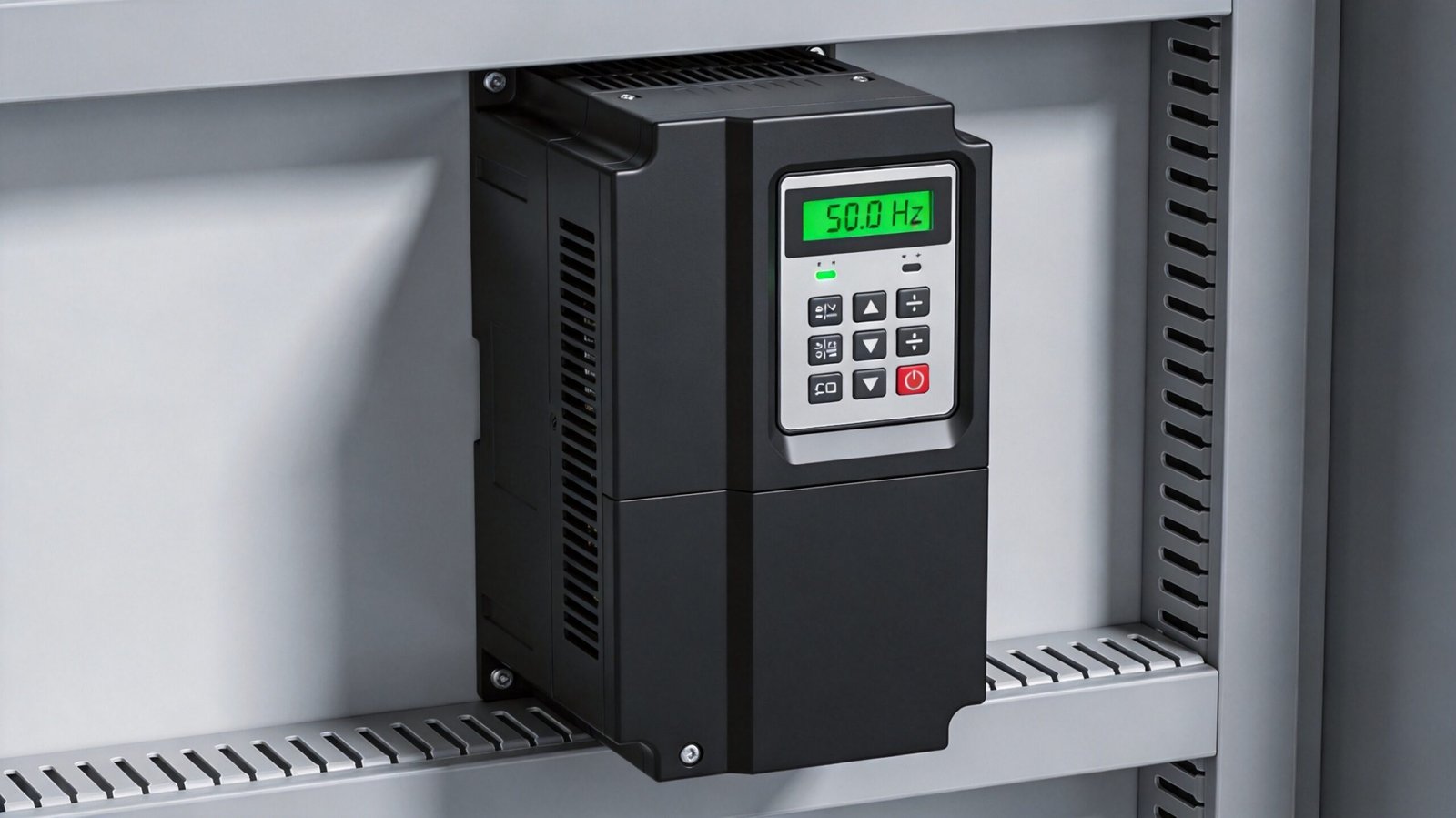
Understanding Phase Conversion and Drive Topologies
At the core of every Variable Frequency Drive is the power conversion process, which typically involves three main stages: the rectifier, the DC bus, and the inverter. In a standard three phase VFD, the three-phase AC input is rectified into a relatively smooth DC voltage. The DC bus capacitors filter this voltage, and the IGBT inverter stage pulses the DC back into a variable frequency, variable voltage three-phase AC output to control the motor.
However, when you only have single-phase power available but need to run a three-phase motor, you require a specialized 1PH to 3PH drive. Because single-phase power delivers energy in pulses rather than a continuous overlap like three-phase power, the rectifier stage experiences significantly higher ripple currents. To compensate, manufacturers must oversize the DC bus capacitors and use heavier-duty rectifier bridges. If you attempt to use a standard three-phase drive on a single-phase supply without proper derating, the DC bus will suffer from excessive voltage ripple, leading to premature capacitor failure and drive fault codes.
For projects requiring 1PH to 3PH conversion at 220V, our S2 Series is specifically engineered with enhanced thermal management and oversized components to handle the unique stresses of single-phase input. For heavy-duty industrial applications operating on 380V single-phase grids, the S3 Series provides robust phase conversion capabilities, ensuring stable torque output even under heavy load conditions. Conversely, if your facility already has a stable three-phase power supply, the N/T Series three-phase 380V inverter delivers maximum efficiency and power density without the need for input derating. For standard single-phase motor applications where phase conversion is not required, the H2 Series offers a compact, cost-effective solution for light-duty loads.
When executing VFD selection, always remember the golden rule of phase conversion: you must upsize the drive. Typically, a single-phase input drive needs to be rated for at least 1.5 to 2 times the motor’s full load amps to account for the higher input current drawn from the single-phase line. By understanding these electrical nuances, distributors and contractors can prevent field failures and deliver reliable automation solutions to their end users.
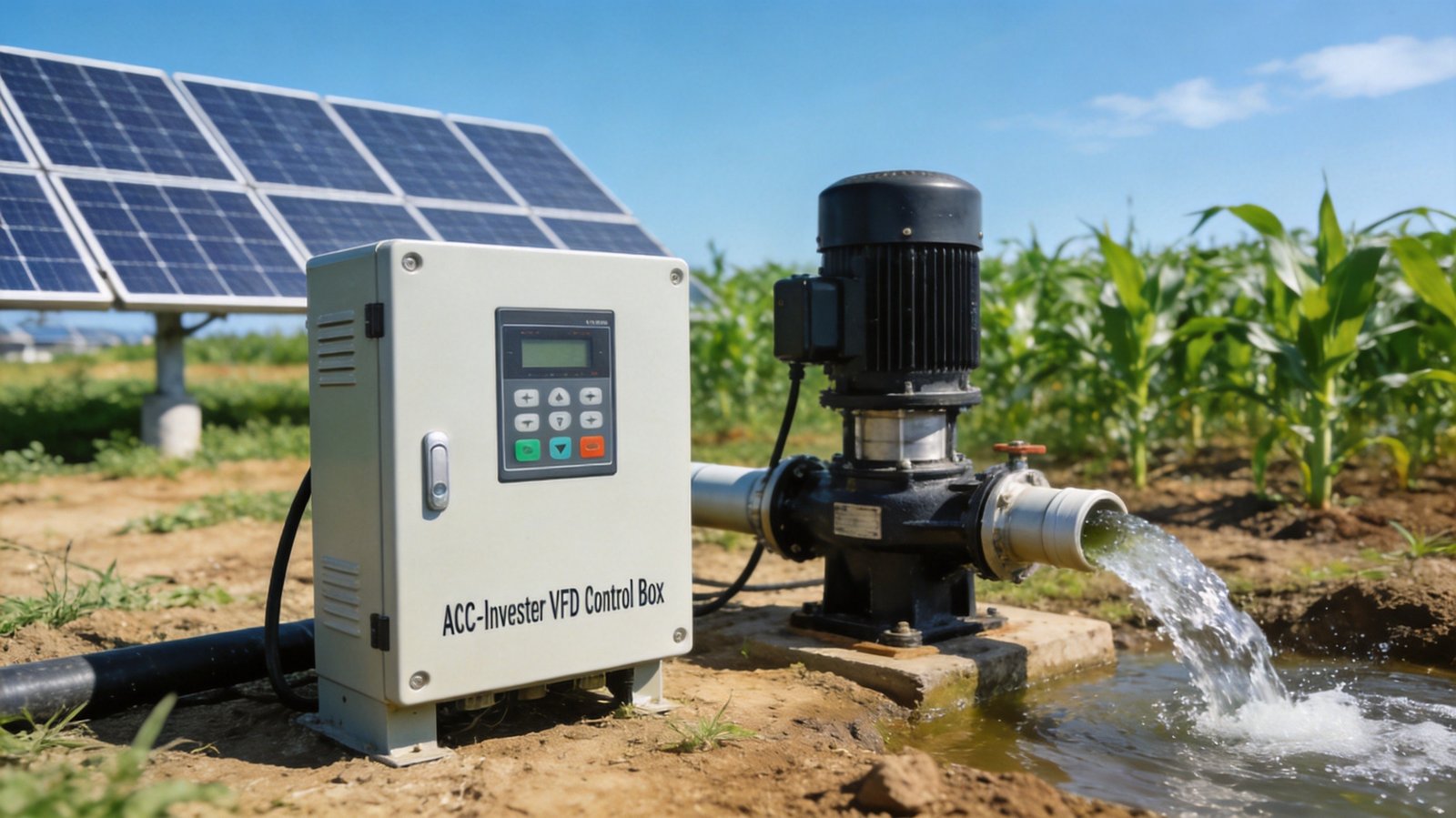
Technical Comparison: Single Phase vs Three Phase VFDs
| Technical Parameter | Single Phase Input VFD (1PH to 3PH) | Three Phase Input VFD (3PH to 3PH) |
|---|---|---|
| Input Voltage Range | 200-240V AC (Typically up to 4kW) / 380-460V AC | 380-480V AC (Standard up to 630kW+) |
| Input Phase Configuration | 2-Wire (L, N) or 2-Wire (L1, L2) | 3-Wire (L1, L2, L3) + PE |
| Output Phase Configuration | 3-Phase (U, V, W) – Simulated from 1PH input | 3-Phase (U, V, W) – Direct conversion |
| Current Derating Requirement | Drive must be upsized by 1.5x to 2.0x motor FLA | 1:1 Ratio (Drive FLA matches motor FLA) |
| DC Bus Ripple Voltage | Higher (Requires oversized electrolytic capacitors) | Lower (Naturally smoothed by 3-phase overlap) |
| Input Harmonic Distortion (THDi) | Moderate to High (May require input reactors) | Lower (Easier to filter with standard line reactors) |
| Typical Power Range | 0.75 kW to 4.0 kW (220V) / up to 15kW (380V) | 0.75 kW to 630+ kW |
Real-World B2B Application Scenarios
Choosing the correct phase topology is highly dependent on the specific infrastructure of the end-user’s facility. Here are common B2B scenarios where proper VFD selection is critical:
- Light Manufacturing in Residential Grid Areas: Many small-scale packaging and textile workshops operate in zones where only 220V single-phase power is available. By deploying the S2 Series, distributors can enable these facilities to run efficient 3-phase spindle motors and conveyor drives without paying for expensive grid upgrades to 3-phase power.
- Heavy Industrial Water Treatment Plants: EPC contractors building municipal water facilities often have access to robust 380V/415V three-phase grids. In these scenarios, specifying the N/T Series three-phase 380V inverter ensures maximum power density, high overload capacity for centrifugal pumps, and seamless integration into plant-wide SCADA systems via Modbus TCP/IP.
- Legacy Machinery Upgrades in 380V Single-Phase Regions: In certain older industrial parks or specific regional grids, 380V is delivered as single-phase between two lines. To retrofit old constant-speed 3-phase fans with variable speed control, contractors use the S3 Series to safely convert the 380V 1PH input to a 3PH output, avoiding the massive cost of installing step-up transformers.
Frequently Asked Questions
Can I use a standard three-phase VFD on a single-phase power supply?
No, using a standard three-phase VFD on a single-phase supply will cause excessive voltage ripple on the DC bus, leading to premature component failure. The drive’s rectifier and capacitors are not designed to handle the continuous high ripple current generated by a single-phase input. You must use a drive specifically rated for 1PH to 3PH conversion or heavily derate a standard drive, which is rarely cost-effective.
Do I need to upsize the VFD when converting 1PH to 3PH?
Yes, it is a strict technical requirement to upsize the VFD when using a single-phase input to drive a three-phase motor. Because the single-phase input draws higher peak currents to deliver the same power, the drive must be rated for at least 1.5 to 2 times the motor’s full load amps. Failing to upsize the drive will result in continuous overcurrent faults and potential rectifier bridge destruction.
What is the maximum motor size I can run with a single-phase input VFD?
For 220V single-phase input applications, the practical maximum motor size is typically limited to 4.0 kW (approximately 5 HP) due to the massive input currents required. For 380V single-phase input applications, you can drive motors up to 15 kW or slightly higher depending on the specific manufacturer’s design. Beyond these limits, the single-phase input current becomes too high for standard commercial wiring and breakers.
How does Lakinele ensure the reliability of its 1PH to 3PH drives?
Lakinele engineers its single-phase input drives with oversized DC bus capacitors and heavy-duty rectifier modules to handle the increased thermal and electrical stress. We also incorporate advanced firmware algorithms that monitor DC bus ripple and dynamically adjust the carrier frequency to protect the power electronics. This robust hardware design ensures a long operational lifespan even in demanding continuous-duty applications.
Can these VFDs be integrated into existing PLC and SCADA systems?
Yes, all Lakinele VFD series feature built-in communication ports that support standard industrial protocols like Modbus RTU and CANopen. This allows seamless integration into existing PLC, HMI, and SCADA architectures for centralized monitoring and control. Optional expansion cards are also available for advanced protocols like Profinet and EtherCAT to meet specific EPC project requirements.
Partner with Lakinele for Your Next VFD Project
Selecting the right Variable Frequency Drive is about more than just matching voltage and power ratings; it requires a deep understanding of your client’s local power infrastructure and application demands. Whether you are sourcing compact drives for light commercial use or robust three-phase inverters for heavy industrial EPC projects, Lakinele provides a comprehensive portfolio designed for global reliability. Our featured H2 Series offers exceptional value for standard single-phase applications, while our N/T Series delivers uncompromising performance for heavy-duty three-phase environments. Explore our complete range of automation solutions by visiting our All Products page.
Do not let power mismatches derail your next international project. Our team of expert application engineers is ready to assist you with technical specifications, sizing calculations, and custom OEM solutions. Reach out to us today to ensure your next deployment is efficient, reliable, and perfectly matched to your end-user’s needs.