
The Hidden Costs of Diesel: Why Global Irrigation Projects are Switching to Solar
For decades, diesel generators have been the default power source for remote water pumping and agricultural irrigation. However, global EPC contractors, agricultural distributors, and industrial importers are increasingly facing a critical dilemma: the escalating operational expenses associated with fossil fuels. When evaluating the long-term viability of remote water infrastructure, the debate of solar pump vs diesel pump is no longer just about environmental impact—it is strictly about the bottom line and project profitability. The unpredictable diesel pump fuel cost heavily inflates the total cost of ownership (TCO), often doubling or tripling the initial capital expenditure within just a few years of continuous operation. Furthermore, transporting fuel to remote agricultural sites introduces severe logistical challenges, supply chain vulnerabilities, and significant carbon footprint liabilities that can jeopardize project approvals.
For B2B buyers sourcing equipment for international markets, understanding the true solar irrigation cost compared to traditional diesel setups is essential for winning competitive tenders and delivering profitable, sustainable projects. Transitioning to solar-powered variable frequency drives (VFDs) eliminates the volatility of fossil fuel markets entirely. By leveraging advanced solar pump inverters, project managers can lock in energy costs at zero, ensuring predictable operational budgets and higher profit margins for end-users. This fundamental shift is not merely a passing trend; it is a strategic realignment of how global water management infrastructure is financed, deployed, and maintained in the modern era.
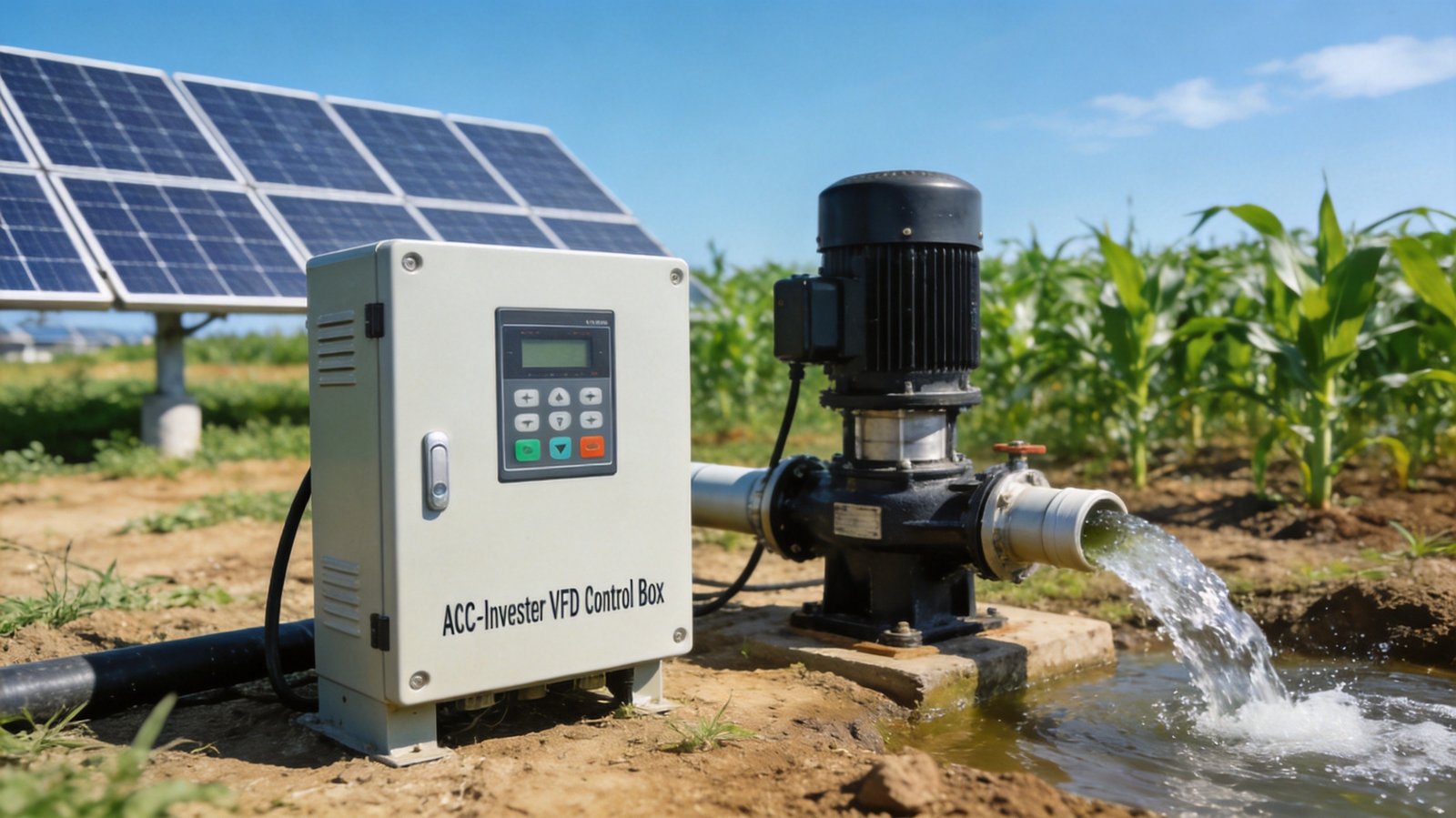
Maximizing Yield with Advanced MPPT Solar Pump Inverters
The core of a high-efficiency solar pumping system lies in its specialized inverter technology. Unlike standard grid-tied drives, dedicated solar pump inverters utilize advanced Maximum Power Point Tracking (MPPT) algorithms to extract the maximum possible energy from photovoltaic arrays under fluctuating irradiance conditions. At Lakinele, our specialized solar drive solutions are engineered to deliver unparalleled reliability for off-grid applications. For instance, the PV-T2 Series and PV-T4 Series solar pump inverters feature industry-leading MPPT efficiency rates exceeding 99.5%, ensuring that every watt of solar energy is converted into usable mechanical power for the water pump. This zero fuel cost advantage drastically reduces the payback period, typically achieving a full return on investment within 2 to 4 years depending on local solar irradiance and regional diesel prices.
When designing comprehensive pumping stations, contractors often need a versatile mix of drive types to handle varying motor configurations. For heavy-duty, three-phase 380V industrial pumping applications, the N/T Series provides robust torque control, exceptional overload capacity, and advanced protection mechanisms. For smaller, single-phase to three-phase conversions in remote residential or light agricultural setups, the S2 Series and S3 Series offer seamless motor compatibility without requiring expensive three-phase grid connections. Additionally, for localized single-phase 220V control needs, the H2 Series delivers compact, high-performance operation. By integrating these versatile drives into a broader solar infrastructure, distributors can offer a complete, scalable portfolio to their clients. Explore our complete range of innovative drive solutions by viewing All Products. The integration of high-efficiency MPPT technology with reliable VFD architecture ensures that water is pumped consistently from dawn to dusk, maximizing daily output while completely eliminating the recurring operational expenses of diesel.

Technical and Financial Comparison: Solar Inverters vs. Diesel Generators
| Technical & Financial Parameter | Solar Pump Inverter (Lakinele PV Series) | Traditional Diesel Generator Pump |
|---|---|---|
| Primary Energy Source | Photovoltaic (PV) Solar Array | Diesel Fuel |
| Operating Energy Cost | $0.00 / kWh (Zero fuel cost) | $0.15 – $0.35 / kWh (Highly volatile) |
| System Efficiency | >99.5% MPPT Tracking Efficiency | 30% – 40% Thermal Efficiency |
| Annual Maintenance Cost | Low (No moving parts, filter cleaning) | High (Oil, filters, belts, injector servicing) |
| Expected Operational Lifespan | 15 – 20+ Years | 5 – 8 Years (before major overhaul) |
| ROI / Payback Period | 2 to 4 Years (Solar pump payback) | N/A (Continuous negative cash flow) |
| Noise Emission | < 30 dB (Silent operation) | 75 – 90 dB (Requires acoustic enclosures) |
| Carbon Footprint | Zero direct emissions | High CO2, NOx, and particulate emissions |
Real-World B2B Application Scenarios
Our advanced solar pumping solutions are deployed globally across diverse sectors where grid power is unavailable or unreliable. Distributors and EPC contractors leverage Lakinele inverters for the following critical applications:
- Large-Scale Agricultural Irrigation: Replacing 50kW to 200kW diesel pumps in remote farming communities. By utilizing the high MPPT efficiency of our PV drives, farmers can irrigate hundreds of hectares daily without the logistical nightmare of weekly diesel fuel deliveries, directly improving crop yields and profit margins.
- Municipal and Rural Water Supply: Off-grid village water boreholes and livestock watering systems. Solar pump inverters provide a silent, emission-free alternative to diesel, ensuring clean water access while complying with strict environmental regulations and reducing the municipal operational budget.
- Mining and Industrial Dewatering: Remote mining sites require continuous dewatering to maintain operational safety. Solar-driven pumping systems, backed by the robust overload capacity of the N/T Series, ensure uninterrupted water removal while drastically cutting the massive fuel expenditures typically associated with off-grid mining operations.
Frequently Asked Questions
What is the typical solar pump payback period compared to a diesel system?
The solar pump payback period typically ranges from 2 to 4 years, depending on local solar irradiance, system size, and prevailing diesel fuel prices. After this initial payback phase, the system generates essentially free water pumping for the remaining 15 to 20 years of its operational lifespan.
Do Lakinele solar pump inverters work with existing AC motors?
Yes, our PV-T2 and PV-T4 series inverters are designed to drive standard AC induction motors without requiring specialized permanent magnet motors. This allows EPC contractors and distributors to easily retrofit existing diesel pump setups by simply replacing the generator with a solar array and our inverter.
How does the system handle cloudy days or low irradiance conditions?
Lakinele inverters feature advanced MPPT technology that continuously tracks the maximum power point, allowing the pump to operate even under low-light or partially shaded conditions. While the flow rate will proportionally decrease during cloudy periods, the system ensures continuous, albeit reduced, water delivery without stalling.